
Skip to content

The UK Public Contract Expiry Radar

7,543 UK digital contracts are up for renewal before Britain gets a new prime minister

7,543 UK government digital and IT contracts expire before December 2027. 2,688 lapse in the next six months. Starmer's gone — here is what SME suppliers must do now.

Skim · Built on Skim's live UK procurement database22 June 20269 min read

Skim analysis of 7,543 awarded UK government digital contracts (CPV divisions 72 + 48, GBR; sourced from the UK Find a Tender Service and Contracts Finder) with contract end dates between 22 June 2026 and 22 December 2027. Framework parents excluded. Data current to 22 June 2026. n = 7,543. Median contract value £159,000.
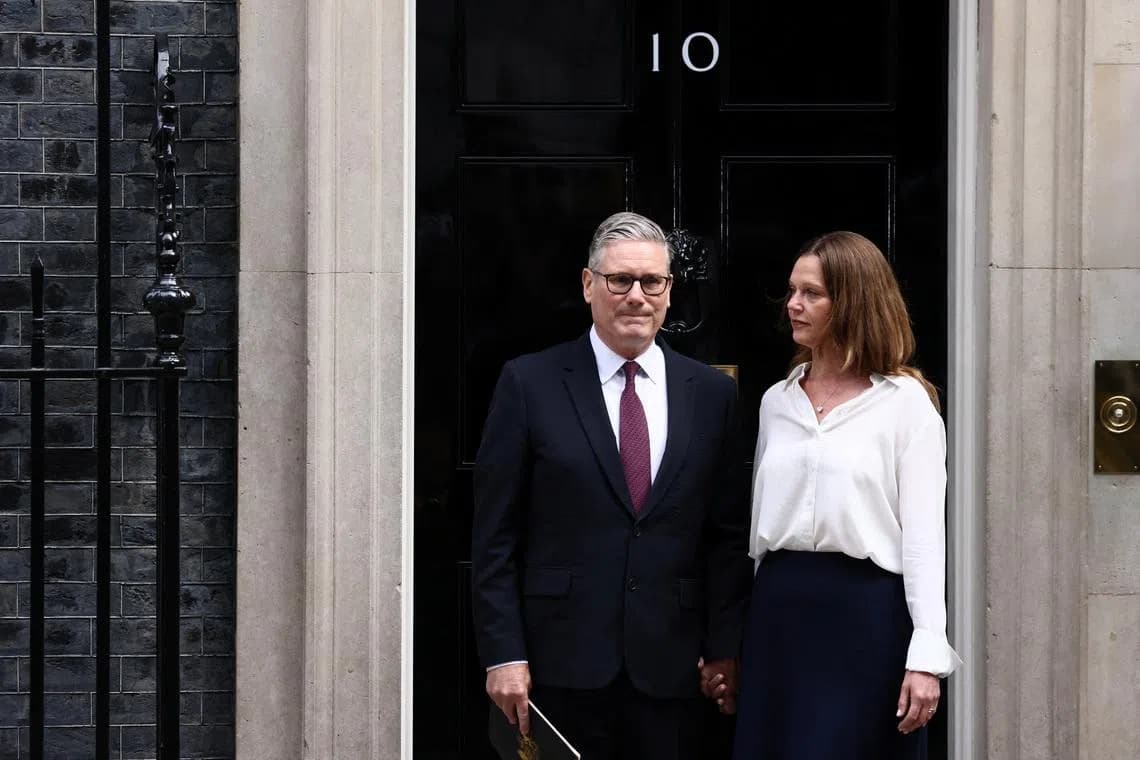
7,543 UK digital contracts are up for renewal before Britain gets a new prime minister — report cover

Why this matters now

7,543 UK government digital and IT contracts expire before 22 December 2027 — and 2,688 of them lapse within the next six months. Keir Starmer announced his resignation as Prime Minister and Labour leader this morning (22 June 2026). If you are an SME supplier wondering whether to sit tight and wait for the dust to settle: don't. The renewal clock doesn't care who's in No. 10.

Key takeaways

  • 7,543 awarded UK government digital and IT contracts (CPV divisions 72 + 48) expire between 22 June 2026 and 22 December 2027. Median value: £159,000.
  • 2,688 of those lapse in the next six months (by 22 December 2026), across 1,285 distinct buyers.
  • The pipeline is not concentrated in Whitehall. Central government accounts for just 10% of contracts (754). The other 90% sits with local councils (2,148), arms-length and other public bodies (2,776), the NHS and health bodies (949), universities (518) and emergency services (398).
  • No pre-election purdah applies. A party leadership change is not a general election. Government continues, civil servants keep awarding contracts, and procurement deadlines keep running.
  • The one action: identify your target buyers' expiring contracts now, start engagement before re-tender, and pre-position with decision-makers before a new cabinet reshuffles spending priorities this autumn.

How many UK government digital contracts are up for renewal?

7,543 UK government digital and IT contracts are due to expire between 22 June 2026 and 22 December 2027, based on Skim's analysis of public award data. Median contract value is £159,000. The six-month pipeline alone — contracts expiring by 22 December 2026 — runs to 2,688 contracts across 1,285 distinct buyers.
7,543
Awarded UK government digital and IT contracts expiring before 22 December 2027

Skim analysis of UK Find a Tender Service + Contracts Finder, current to 22 June 2026

2,688
Of those that lapse in the next six months — across 1,285 distinct buyers

Skim analysis, end dates to 22 December 2026

£159,000
Median contract value across the 7,543-contract pipeline

Skim analysis, CPV divisions 72 + 48, GBR

The pipeline by month:
MonthContracts expiringDistinct buyers
Jun 2026 (remaining)332254
Jul 2026473330
Aug 2026430334
Sep 2026528389
Oct 2026385298
Nov 2026366282
Dec 2026406296
Jan 2027377304
Feb 2027336263
Mar 20271,134676
Apr 2027405320
May 2027367291
Jun 2027338270
Jul 2027345274
Aug 2027259215
Sep 2027348285
Oct 2027314253
Nov 2027261211
Dec 2027139121
Figures are grouped by calendar month. The six-month headline (2,688 contracts to 22 December 2026) is date-bounded and so is smaller than the sum of the June–December rows, which include end dates after the 22 December cut-off.
March 2027 is the largest single month (1,134 contracts) — a predictable year-end spike as contracts awarded in March 2024–2025 reach term. It is the single most important month for SMEs to have buyer relationships already in place.

The pipeline by buyer type

Buyer typeContractsDistinct buyersMedian value
Arms-length / other public bodies2,7761,022£192,000
Local councils2,148572£122,000
NHS & health bodies949440£135,000
Central government754313£605,000
Higher education518190£153,000
Emergency services398101£106,000
Whitehall accounts for only 10% of the digital renewal pipeline by contract count. Local councils (28%), arms-length and other public bodies (37%) and NHS/health (13%) account for roughly three-quarters of the opportunity between them. These are buyers whose procurement timetables are set by contract end dates and internal budget cycles — not by the political calendar in Westminster.

What happens to procurement while Britain has no permanent prime minister?

The short answer: normal government procurement continues. This is not a general election. Pre-election purdah — the period of restrictions on government announcements that protects the electoral process — does not apply to an intra-party leadership change.
The Institute for Government is clear on this: no formal restrictions on government activity apply when a prime minister resigns as leader of their party and triggers a leadership contest. The convention was tested in 2022, when Boris Johnson resigned as Conservative leader in July but remained prime minister until September — and the government continued to operate without formal restriction throughout.
Starmer's resignation follows the same pattern. He stays as caretaker prime minister until a new Labour leader is elected; there is no concept of an "acting" prime minister in UK law. The civil service keeps running. Departments keep awarding contracts. Buyers keep issuing ITTs.
The transition doesn't freeze procurement. What it introduces is budget and priority uncertainty once a new cabinet sets its agenda. Starmer confirmed on 22 June 2026 that nominations open on 9 July 2026, with the result expected to be declared at Labour Party conference (typically late September / early October). Andy Burnham — who won the Makerfield by-election and was sworn in as an MP this morning — is the widely reported frontrunner, though the contest timetable and result are not yet confirmed.
A new prime minister means a new cabinet, and a new cabinet means revised spending priorities — potentially new programmes to bid for, but also existing digitisation programmes that could be paused, reframed or retargeted. That uncertainty arrives in the autumn at the earliest. The window to get on buyers' radars is now — before new ministers arrive with new agendas.

What should SME suppliers do during the leadership transition?

Act now. The worst move is waiting for political clarity that won't arrive until the autumn at the earliest. Five things worth doing this week:
  • Map your target contracts against the renewal pipeline. Identify which buyers in your CPV categories (72 = IT services, 48 = software) have contracts expiring in the next 90–180 days. The September 2026 spike (528 contracts, 389 buyers) is close enough that re-tender processes are likely already in planning. If you are not on those buyers' radar yet, you are already late.
  • Engage buyers before the ITT drops. The re-tender decision — roll over an extension, recompete, or issue a direct award — is made long before the notice goes live. Market engagement, prior information notices and supplier days are your window. A buyer who has met you before the ITT is a buyer who writes a specification you can answer. Find live market engagement on the Find a Tender Service.
  • Check the incumbent's contract end date. Knowing exactly when a current contract expires gives you a targeting timeline. Incumbents sometimes seek extensions; knowing the renewal date tells you when to start a displacement conversation — and when the buyer will be most receptive. Search awarded contracts on Contracts Finder.
  • Watch for extensions and direct awards. During political transition and budget uncertainty, some buyers extend existing contracts rather than re-procure. That is both a threat (extensions shut the competition window) and an opportunity (if you are the incumbent, make the case now; if you are not, know the legal limits on extension periods under the Procurement Act 2023).
  • Pre-position for the new administration's priorities. A new PM brings new policy commitments. Digital public services, AI adoption and local-government capacity are all areas where a new administration is likely to have views. Use the next three months to build case studies and references aligned to what a new cabinet will prioritise — don't wait for the spending review.

FAQ

How many UK government contracts are expiring in 2026?
Based on Skim's analysis of public procurement data (UK Find a Tender Service and Contracts Finder), 2,688 UK government digital and IT contracts (CPV divisions 72 + 48) expire between 22 June and 22 December 2026, across 1,285 distinct buyers. Across the full period to December 2027, the figure is 7,543 contracts.
Does a change of prime minister stop government contracts being awarded?
No. A party leadership change in the UK does not trigger the pre-election period of sensitivity (purdah), which applies only to general elections and referendums. Government keeps awarding contracts, civil servants keep processing tenders, and contract end dates remain unchanged.
When will the UK get a new prime minister?
As of 22 June 2026, Keir Starmer has announced his resignation and confirmed that Labour leadership nominations open on 9 July 2026. Under Labour's rules the result is declared at a session of Party conference — typically late September or early October. No confirmed date has been set. Andy Burnham is the widely reported frontrunner.
Can SMEs win public sector contracts during a leadership transition?
Yes. A party leadership change does not restrict procurement; the civil service continues awarding contracts throughout. Transition periods can even favour SMEs, as uncertainty about programme direction opens space for smaller, agile suppliers to win shorter, outcome-focused contracts. The key is building relationships with buyers before ITTs are published.

The renewal clock doesn't wait for Whitehall

7,543 contracts. 2,688 in the next six months. 1,285 distinct buyers. None of those numbers change because Starmer resigned this morning.
What changes is the strategic context for buyers. New ministers will arrive with new priorities. Digital programmes will be reviewed. Budgets will be revisited. The suppliers who have already built relationships with procurement teams — and who are already in the pipeline when ITTs drop — are the ones who win.
The window is open. It closes around October.

Download the full report

Submit the form below to access the full report.

Want this analysis run on your own pipeline?

Book a 15-minute call. We'll run your real opportunities through Skim and show you what the data says about your win chances.